Here's my verdict up front: how to avoid demurrage and detention charges has nothing to do with the port. It's decided in the 7 days before your vessel arrives. These two charges aren't freight — they're fines. You can haggle freight down a little; fines you can avoid entirely, if you know the rules.
Two sides to this. First, demurrage and detention are two different fines, and most importers mix them up until the invoice lands. Second, avoiding them takes no fancy technology — just four moves, each with its own trade-off. Cost first, payoff second. That's how I always lay it out.
Demurrage and Detention Are Two Different Fines. Period.
Demurrage: your container gets unloaded at the terminal, and you don't pick it up within the free days. The terminal charges you daily rent for occupying their space. Detention: you picked up the container but didn't return the empty on time. The ocean carrier charges you for holding their box.
One happens at the port, the other happens in your hands. The countermeasures are completely different, so track them as separate line items.
How much? Every carrier publishes its own tariff — treat everything below as order-of-magnitude, and check your carrier's latest tariff: for a 40ft box past free time, expect roughly $150–200 a day for the first days, escalating to $250–400+ a day after about a week. The tiers are designed to hurt more the longer you wait.
| Phase | Rough daily cost (40ft box) | Notes |
|---|---|---|
| Within free days | $0 | Demurrage usually 3–5 days, carrier-dependent |
| First days over | $150–200 | Entry tier |
| Past a week over | $250–400+ | Escalating tiers — the longer, the worse |
| Staged at off-dock yard | Dozens/day + one drayage move | The stop-loss option, see below |
Quick math: one 40ft container sitting 14 days past free time easily tops $3,000 in penalties. Eight containers? That's over $20,000 gone — enough to cover the ocean freight for the entire shipment. And what follows is a real invoice story, not a hypothetical.
One more thing on free days: big shippers negotiate 7+ days into their contracts. Small importers get whatever the tariff says. I've watched too many small importers fight their forwarder over $50 of freight while skipping the free-days line entirely. Bluntly: freight is the visible bill; free days are the invisible one. The invisible one is bigger.
The Most Expensive Lesson I've Seen: Eight Boxes at Long Beach
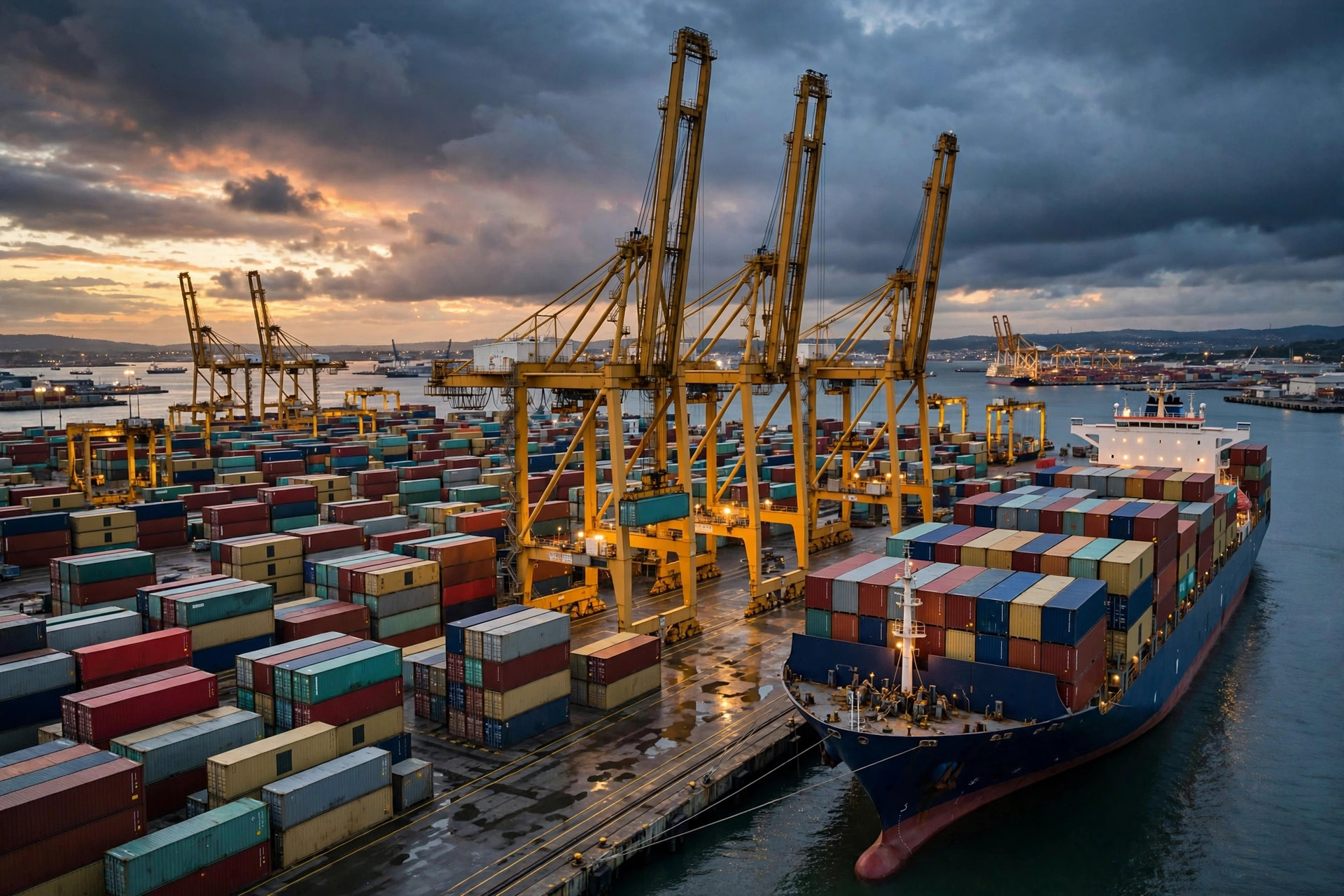
Fall 2021, when LA/Long Beach looked like a parking lot. A furniture importer I worked with had eight 40ft high-cubes arriving. His forwarder said "the vessel arrived," and he figured he'd just book a truck like always.
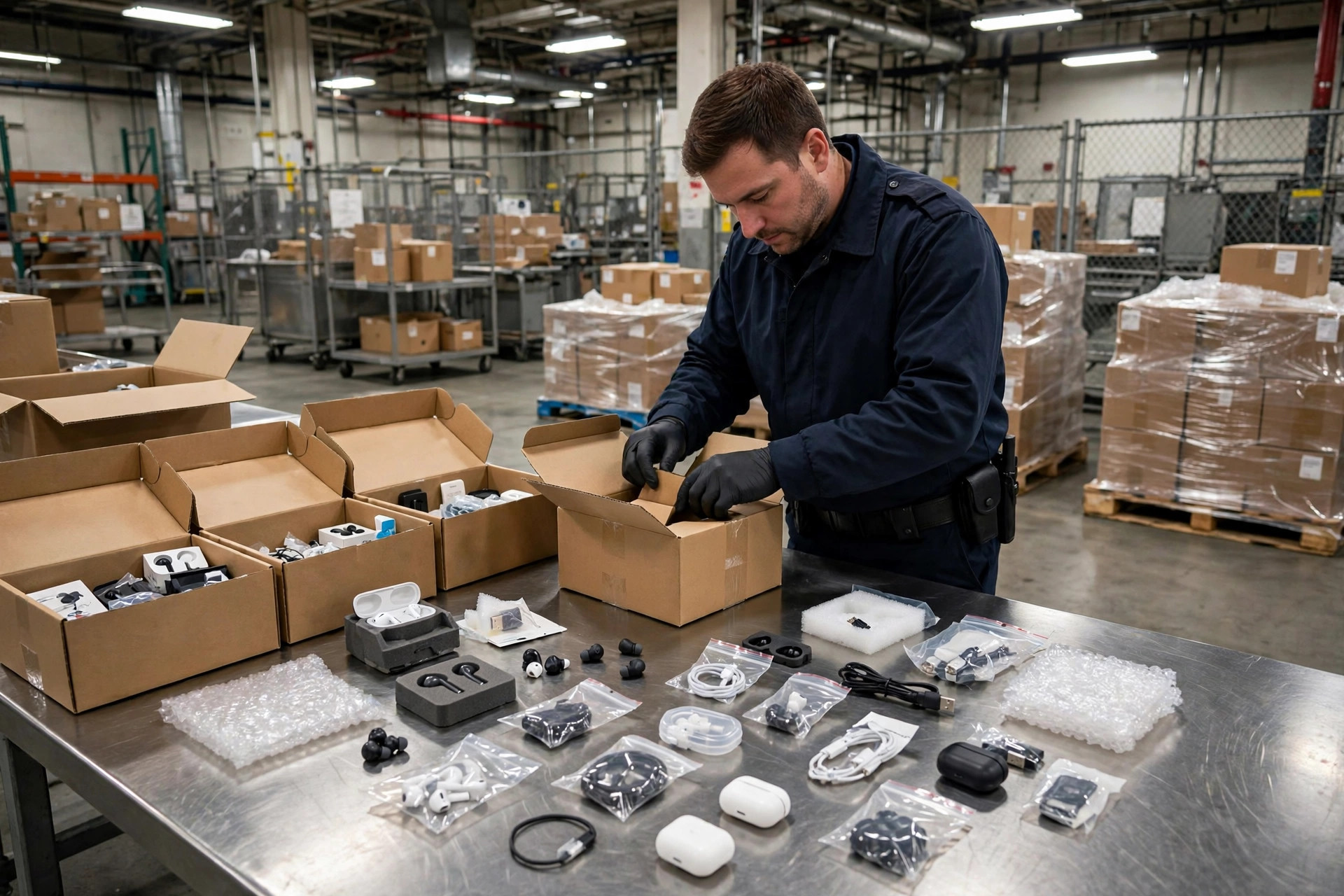
Triple hit. First, the terminal appointment system was booked out a full week — trucks couldn't get in. Second, his customs broker hadn't pre-cleared, and the boxes got flagged for exam: four more days gone. Third, the eight boxes arrived on two vessels, and he thought "let's wait and pull them together, save a drayage trip." That wait burned through every single free day.
The invoice: demurrage on eight boxes, averaging 11 days over, plus exam-related fees — just under $30,000. The owner told me: "Lao Mi, there goes the margin on the whole shipment, and then some."
I've seen this movie too many times. Same script every time: not an act of God, an act of neglect. Nothing prepared in the 7 days before arrival, and the fine was already on its way.
Detention has its own version. Early 2024, Houston: a friend importing auto parts pulled four boxes to his own warehouse, got short-handed, took 6 days to unload, and the empties sat in his yard another 3 days. The detention clock starts the moment you pull the box — 4 boxes × 9 days, a $5,000+ invoice. He said: "The boxes were sitting in MY yard, how is that billable?" Bluntly, the carrier's logic is simple: every day the box sits with you is a day it can't earn money somewhere else. Your warehouse's unloading speed is money.
Four Moves That Actually Stop Demurrage and Detention
First: book the truck 7 days before the vessel arrives. Terminal pickups need appointments, and in peak season the queue is measured in days. Booking after the vessel berths means donating your free days to the queue. The cost? If the vessel slips and you reschedule, maybe a few dozen dollars in change fees. Versus hundreds a day in demurrage — that trade-off doesn't need a second calculation.
Second: pre-clear. Documents move before the ship does. Bill of lading, packing list, commercial invoice — get them to your broker before arrival, and pre-clear wherever the port allows it. That way release and pickup run in parallel the moment the box hits the ground. I've seen too many people treat customs clearance as something that happens after pickup. Get the order wrong and 3 free days evaporate. Exams are random — you can't dodge them — but pre-clearing at least guarantees the boxes that aren't flagged can roll the same day.
Third: when you can't pull, stage at an off-dock yard. This one sounds backwards: free days almost gone, no truck available — pay to dray the box to a yard near the port and park it there. The cost is an extra drayage move plus a few dozen dollars a day in yard storage; the payoff is the port's escalating penalty clock stops, and detention becomes negotiable. Lesser of two evils: dozens a day at the yard versus hundreds a day at the terminal. Plenty of small importers don't know this move exists and hold out until the fine doubles.
Fourth: negotiate free days up front, and never just pay the invoice. Big shippers write demurrage/detention free days into the contract — that's the source. Small shippers who can't negotiate days can still dispute the bill: since 2024, the US Federal Maritime Commission requires D&D invoices to be issued within 30 days after charges stop accruing, and if the bill is vague — or the delay was the terminal's or carrier's own fault, like a system outage or no appointment slots released — you can dispute it. Under fine-logic, "just pay" is the last resort, not the first.
One Piece of Advice
Every extra day a container sits at the port burns more than the fine — your safety stock, your delivery promise, your customer's trust, all burning together. So next time you have boxes on the water, ask yourself two questions: is the truck booked? Are the documents filed? If you can't answer yes to both, the fine is already on its way.
By Lao Mi, Supply Chain Veteran (20 yrs)